
Real Estate Trends & Advice

Market insights, property trends, and expert real estate advice

Seller Disclosure

Seller Disclosure

Many years ago, the Washington State Legislature passed a law requiring sellers of real estate to complete a standardized Property Disclosure Statement.

Oct 8, 2026
Read More

Is Your Well Water Safe to Drink?

Is Your Well Water Safe to Drink?

It is considered best practice for real estate brokers to use the statewide Land and Acreage Addendum as part of any purchase agreement for rural property.

Oct 1, 2026
Read More
Asbestos, Is it Still a Problem?

Asbestos, Is it Still a Problem?

Most people think that the use of asbestos has been discontinued in this country and that we don’t really have to worry about it in new building products. The truth is that asbestos is still being used in some building products that can be found at local hardware stores. Some of the everyday products that may contain asbestos include roofing shingles, roofing felt, roof patching compound, cement siding, drywall and drywall mud, vinyl and asphalt floor tiles, and mastic adhesives for vinyl floors and carpeting. Why is asbestos dangerous? Prolonged inhalation of asbestos fibers can cause serious and fatal illnesses such as mesothelioma, lung cancer, asbestosis, and pleural disease or inflammation of the tissues surrounding the lungs. As early as the 1900s, researchers began to notice a large number of premature deaths and lung problems in asbestos-mining towns. But it is not just a problem of the past; asbestos exposure continues to cause over 12,000 deaths each year in the United States. Asbestos is a naturally occurring silicate mineral composed of long, thin, microscopic fibrous crystals. It was first used more than 4,000 years ago when the Greeks and Romans discovered that it was resistant to fire and heat. It has been used since then for a wide range of purposes. The word asbestos comes from the ancient Greek word meaning “unquenchable” or “inextinguishable.” There are now many federal regulations concerning the handling of asbestos-containing materials, particularly when they are removed from commercial or public buildings during demolition or remodeling projects. When such materials are classified as “friable,” they may fall under federal regulations. Generally, friable asbestos-containing material is material that can be crumbled, pulverized, or reduced to powder by the pressure of an ordinary human hand. This is particularly dangerous because the fibers can become airborne and easily inhaled into the lungs. Once released by such crumbling, asbestos fibers are light enough to remain suspended in the air for hours or even days, long after other dust from the project has settled. A simple cotton face mask is not sufficient protection against these microscopic particles. Breathing in tiny particles of asbestos is what can make people sick, even though symptoms may not appear for decades. Asbestos abatement can be extremely expensive because of the careful and tedious process required for safe removal. In non-commercial structures, such as residential dwellings, homeowners may not be subject to all of the same regulations that apply to commercial projects. However, the health risks associated with asbestos exposure are no less significant when working on DIY projects around the home. If you are working on an older home, don’t assume that a material is asbestos free simply because it looks harmless.

Sep 24, 2026
Read More
Terms & Acronyms in Real Estate

Terms & Acronyms in Real Estate

Have you ever met with a real estate agent or gone through the entire buying or selling process and heard terms or acronyms that you did not understand? We try to be as clear as possible in our communication throughout the buying and selling process.

Sep 17, 2026
Read More
Where Do I Start?

Where Do I Start?

Whether you are planning on purchasing a home this year or in the future, proper preparation can make the process smoother, less stressful and more successful.

Sep 10, 2026
Read More
How Much is My  Property Worth?

How Much is My Property Worth?

Do you know how much your property is worth? The typical property owner has some idea of the approximate value of their property, but most don’t have a definitive answer to that question.

Sep 3, 2026
Read More
Maintenance

Maintenance

Owning a home comes with the responsibility of maintaining it. In the excitement of purchasing your first home or your next home, future maintenance is often not at the forefront of your mind.

Aug 27, 2026
Read More
Aerial Photos – A Great Tool

Aerial Photos – A Great Tool

One of our brokers brought a new listing in for review. After scrutinizing the listing data and then taking a look at the plat map and aerial photo...

Aug 20, 2026
Read More
Myths and Old Wives’ Tales

Myths and Old Wives’ Tales

There are many ideas floating around in the real estate world that we hear all the time, or maybe have even repeated ourselves, that may not be true.

Aug 13, 2026
Read More
Easement Problems

Easement Problems

When purchasing property, buyers are usually more concerned about easements that cross or burden the property they are considering than they are about the nature and scope of the benefiting easement that allows them to access the property. When the time comes for closing, the closing agent shows the buyer a map and the portion of the title report that identifies the easements crossing the property (and other clouds on the title). However, unless there is some type of maintenance agreement, the easement that benefits the subject property (and provides access) will usually not appear on the title report. It takes additional research to locate those documents and read the full content and legal description of the easement.

Aug 6, 2026
Read More
Unexpected Extensions

Unexpected Extensions

Most buyers and sellers circle the closing date on their calendars and assume it is final.

Jul 30, 2026
Read More
Thinking Ahead

Thinking Ahead

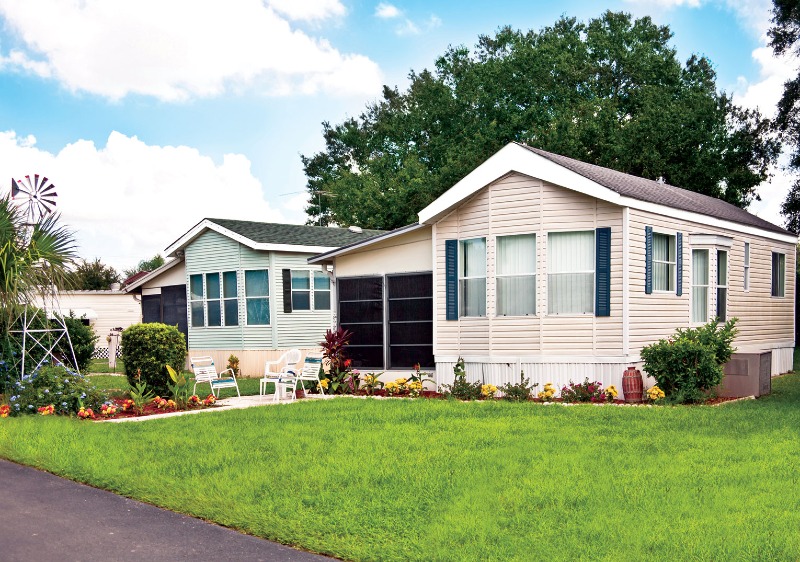
Manufactured home sales in our rural area continue to represent a significant percentage of the residential sales in this market.

Jul 23, 2026
Read More
Wells – How Much Water Do I Need?

Wells – How Much Water Do I Need?

I often get asked the following questions about wells: This well is low-producing. How did they get a building permit? How many gallons per minute are required to obtain a building permit?

Jul 16, 2026
Read More
Timber Management Plan

Timber Management Plan

If you own at least 5 acres of forested land in Washington State, your property may be eligible to enroll in the Current Use Program, which could significantly reduce your annual property tax bill.

Jul 9, 2026
Read More
What Is An Escrow Account?

What Is An Escrow Account?

If you purchased a home or property by getting a loan, you most likely have an escrow account.

Jul 2, 2026
Read More
Why Your Credit Score Matters

Why Your Credit Score Matters

If you’re thinking about buying a home or land, one of the first things you should look at is your credit score.

Jun 25, 2026
Read More
Seller’s Costs to Close

Seller’s Costs to Close

As a real estate professional, I have often been asked to provide a Market Analysis for potential sellers prior to listing a property.

Jun 18, 2026
Read More
CC&Rs

CC&Rs

The acronym above stands for Covenants, Conditions, and Restrictions and usually refers to the restrictions that control residential subdivisions where there is a set of rules that binds each owner to act or build in a certain way.

Jun 11, 2026
Read More
Showing 1 to 18 of 89 results