Has it been a while since you purchased a home? Or maybe you’re working on buying your first! The home-buying process can be intimidating and stressful. Buying a home may be something you only do a few times in your life. Knowing the process will make it a little easier, so here is a quick overview of the process:
As you begin your search for that perfect home, you will also need to figure out how you are going to pay for it. If you need a loan, meet with a lender early to determine what price range and loan types you qualify for and which option best meets your situation.
Connect with a good Realtor® and help them understand what type of home you are looking for. A clear understanding will help eliminate the wrong homes and guide you to the right one. You may have to look at many homes, and the must-haves on your list might change during your search. Be loyal to your agent. Remember, unless structured otherwise, your Realtor® will only get paid once you purchase a home.
When you have a home picked out, your Realtor® will help you write an offer to purchase that gets you the best price and may contain contingencies to protect you and allow you to complete your due diligence in evaluating the condition of the home. An accepted offer will also require upfront earnest money to show your good faith in moving forward with the purchase.
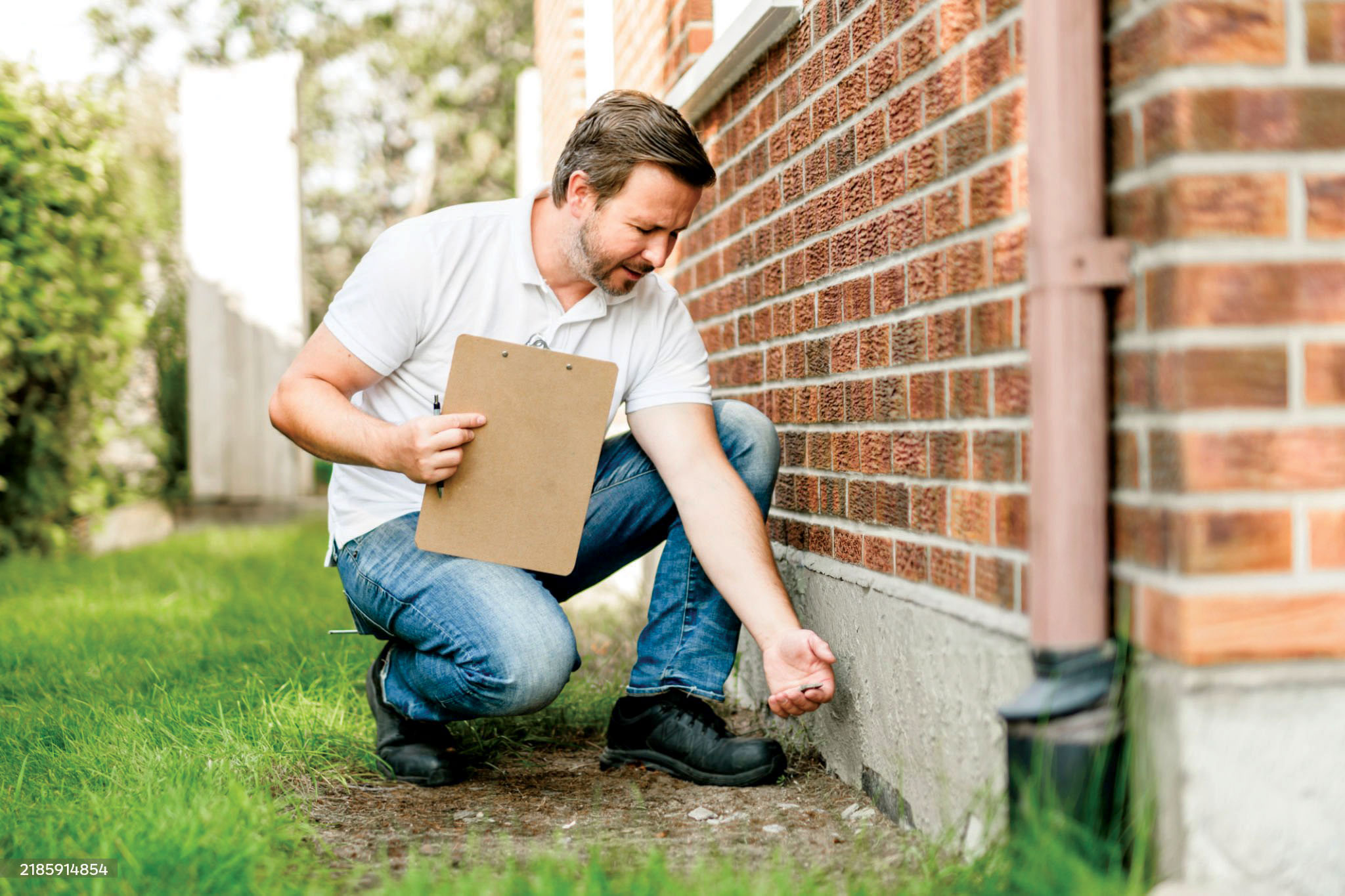
Once you are under contract, the clock starts ticking on any contingencies included in your offer. These may include your loan application, a home inspection, and other inspections such as well, septic, radon, or mold testing. With the proper contingencies in place, this is your time to make sure the home is right for you. The lender’s appraisal will also be completed during this period.
As you near the closing date, you will want to schedule a final walk-through of the home. The purpose is to make sure the home has been maintained in the same condition as when you first viewed it, that the seller completed any agreed-upon repairs, and that the appliances included in the sale are still there. Anything that is not right is easier to resolve before closing than after.
You will arrange with the closing company to sign the closing documents. The documents will then be recorded at the county auditor’s office. Once the deed is recorded, you will receive possession of the home as agreed upon in your purchase contract—typically the same day the documents are recorded.
Time to move in!
The Process – Part 2: Buying a Home
Brandon Palmer
- Real Estate Trends and Advice
February 19, 2026