
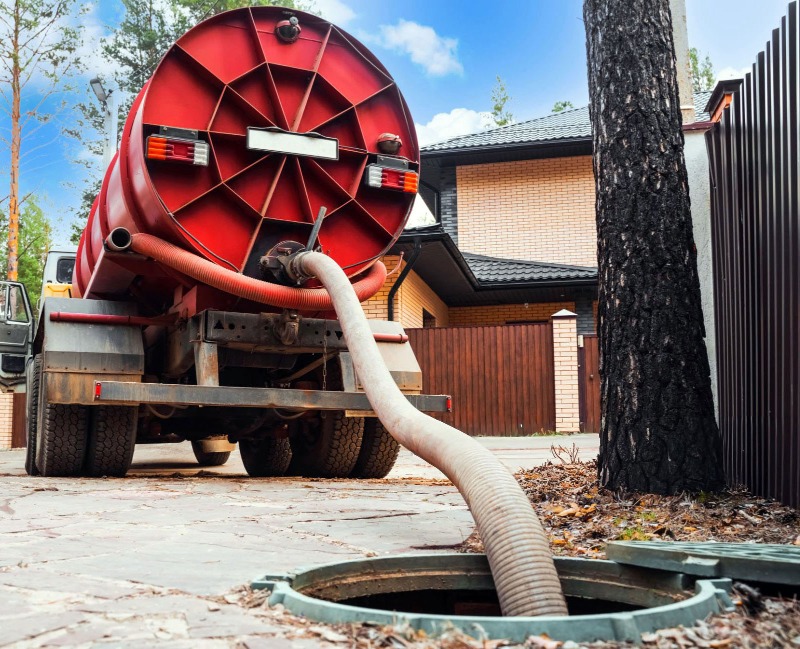
When was the last time you pumped your septic system? I bet you haven’t thought about it for a while! It’s easy to just flush the toilet and forget about it. Most experts say that it is wise to pump your septic tank every two to three years, depending on usage. If you have a very large family, you may want to consider a more frequent pumping schedule.
In most cases, when a rural home is sold, it is the responsibility of the seller to have the septic tank pumped and certified. The certification document usually states one of three things: 1) readily accepting effluent, 2) slowly accepting effluent, or 3) not accepting effluent. This wording indicates the general working condition of the septic system, which is essentially a mini sewer treatment plant. This certification usually costs around $800–$900 unless the tank must also be located or dug up. In those cases, the costs can be significantly higher.
Starting February 1, 2027, before a property with a septic system can be sold, the local health districts will require that a Property Transfer Application and an Inspection Report be submitted. The goal of these new regulations is to protect public health by evaluating septic systems, identifying and repairing failing systems, locating unknown systems, and making records available to the public.
Septic pumpers will now require certification to pump and inspect septic systems. Once the system has been pumped and inspected, a drawing of the system will be created if one cannot be found, and the application and inspection report will be submitted to the district. If deficiencies are noted during the inspection and have not been corrected, the district may issue a report documenting those deficiencies. A new application will need to be submitted once repairs have been completed. These reports will be made available to the public.
If you are not selling your home, you are not off the hook! The new regulations will also require all homeowners to conduct routine inspections of their septic systems and submit the inspection reports to the health district. Homeowners may perform their own inspections if it is not part of a sale. These inspection reports will be required annually for pressurized systems and every three years for gravity systems.
As real estate professionals, we hope that these additional regulations will not become a burden on homeowners, but instead help buyers and sellers better understand the condition of a septic system, just as they would with any other major system in a home.