For many years now the building industry and tech companies have sold consumers on the idea of a fully automated smart home, in other words, living spaces where voice-activated lights, automatic beds, climate systems and cameras work seamlessly together to give tech hungry buyers a product that is state-of-art. But in
2025 tech analysts say a growing number of homeowners seem to be moving in the opposite direction.
According to many consumer advocates, many Americans are pushing back and reconsidering what kind of home suits their needs better. Rising costs, privacy concerns and digital fatigue seem to be contributing to the trend back toward “dumb homes.” Beth McGroarty, of the Global Wellness Institute, said, “Homeowners are moving from NASA-style setups toward manual switches, dials and mechanical controls. The trend reflects a broader analog wellness mindset, one focusing on creating calmer, less connected living spaces.”
Could it be that home owners find constant technology (from listening devices to smart sensors) more stressful than soothing? “A home where technology is always in the background, working and listening, feels anxiety-producing instead of restorative,” says Yan Wang of Axios.
Consumers are also finding that frequent software updates and device incompatibility can make systems expensive to maintain. High income home buyers have begun avoiding homes filled with Wi-Fi enabled devices because they view them as unnecessary costs that contribute very little to resale value.
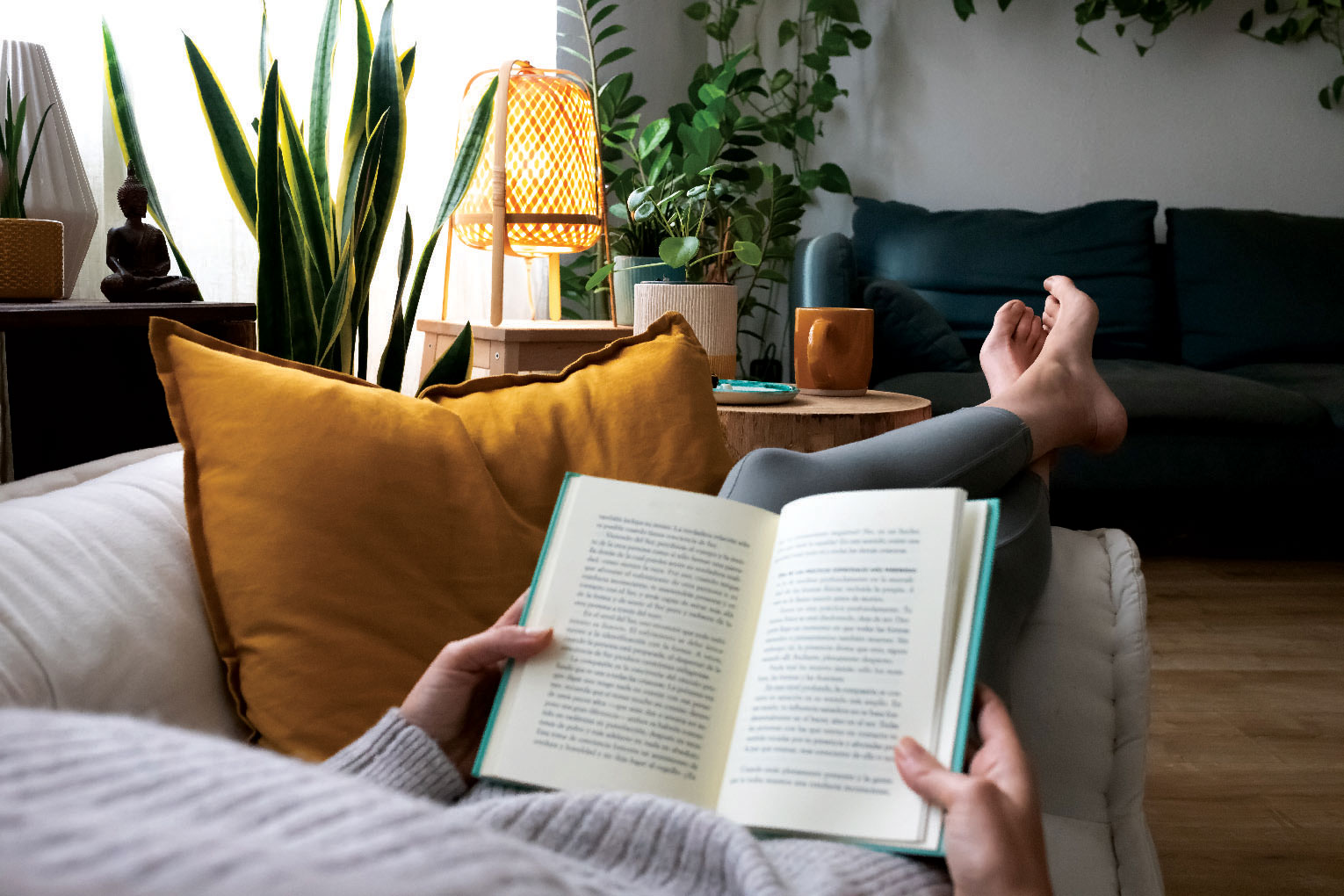
Instead, home buyers are trending towards homes that provide spaces for “unplugged relaxation” where automation and screen time play a minimal role. Zillow has noticed an uptick in searches that mention “reading nook” in the listing remarks.
But the mood shift for buyers seems to go well beyond home design. Some Gen Z’ers are beginning to embrace retro phones and parents are limiting their children’s screen time. After years of tech-driven home sales, people seem to be returning to a love of analogue features and instead of chasing convenience they seem to be craving physical touch and a people connection.
Those recent statistics don’t necessarily mean that smart homes will become extinct, but it probably does signal a significant return to good old fashioned simple homes. Functional floor plans are still a premium trait, but smaller, more affordable homes are becoming more desirable as frustrated home searchers strive to become home owners.
Return to Dumb Homes?
Jim Palmer Jr.
- Real Estate Trends and Advice
December 11, 2025